Clay Plaster

Environmental performance meets natural beauty

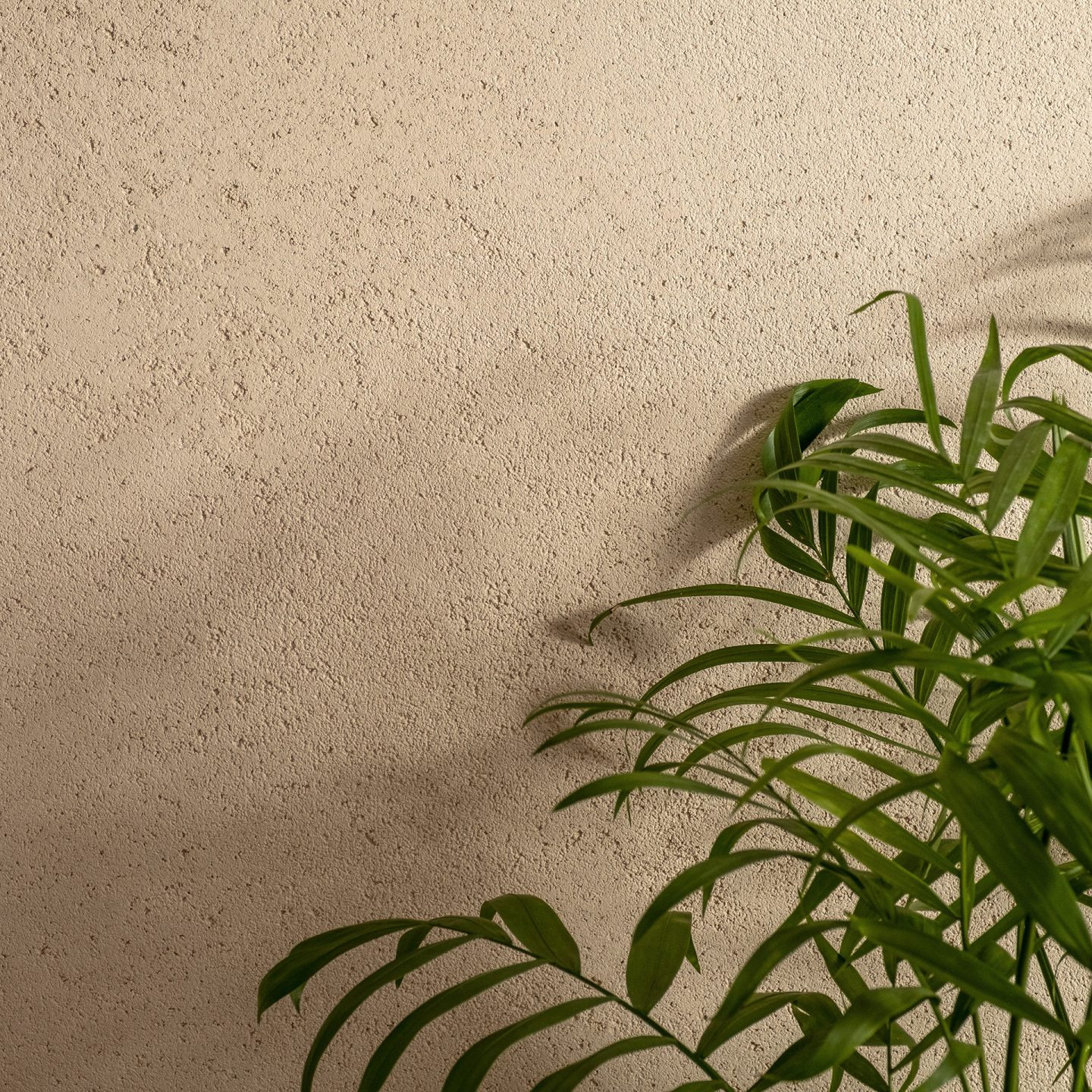
Clay plaster is a traditional, naturally sustainable wall finish valued for its natural earthen beauty and low environmental impact. Used throughout history, it is now being rediscovered for modern interiors, coupling environmental performance with timeless aesthetic appeal.

Origins

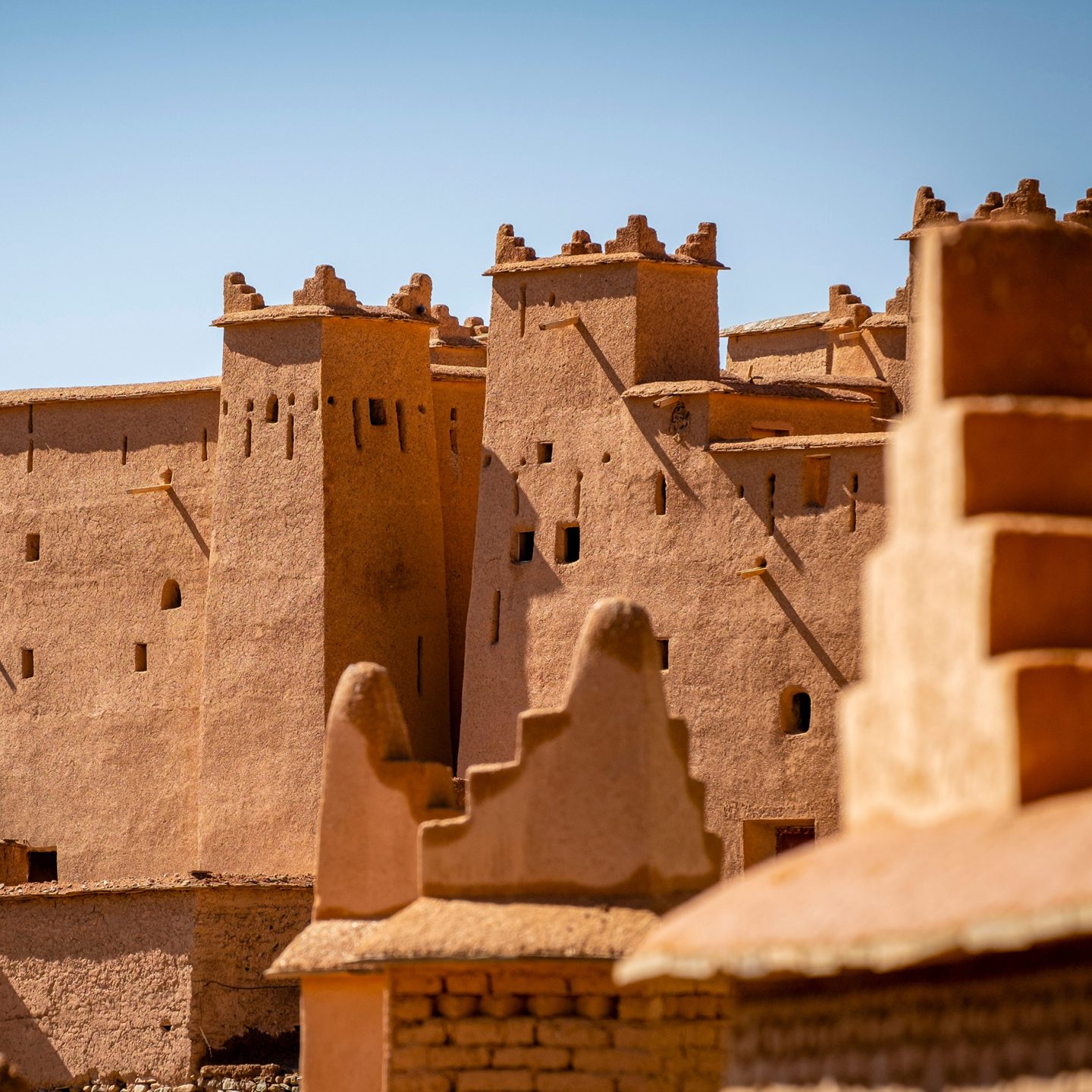
Clay plaster is a naturally sustainable material, with its use in architecture dating back thousands of years. Traditionally made from clay-rich soil, water, and plant fibers, it was used to coat earthen structures, creating a smooth, breathable protective layer. Due to its abundance, workability, and the minimal processing required, it became widely adopted across continents. Its use exemplifies the low-impact construction values we are seeing a return to today, while also encapsulating a raw, understated aesthetic synonymous with environmentally conscious design.

Naturally breathable, clay plasters allowed the earthen structures they coated to absorb and release water vapor, helping to regulate indoor humidity levels and create more stable, balanced interior environments. Coupled with the soft, matte aesthetic and ability to take natural pigments, clay plaster has long been valued for both its inherent qualities and its distinctive visual characteristics.

A Modern Resurgence

Clay plaster has seen a resurgence in recent years as architects, designers, and consumers look to traditional materials to inform a more environmentally responsible future. High-profile developments in regions such as the Middle East have further increased its profile, with cultural centers such as Diriyah combining modern architecture with time-proven materials to honor regional heritage.

This renewed interest reflects a broader shift toward materials that are low-impact, inherently functional and leave minimal trace at the end of life. While clay plaster has many desirable qualities, modern interiors have a different set of demands compared to the earthen structures it was originally applied within. As we increasingly bring traditional materials into the modern built environment, it is important to address the limitations that can affect long-term performance and widespread adoption.

TRADITIONAL qualities MEET Modern Performance

The wider adoption of lower-impact materials in contemporary architecture depends on their ability to meet modern performance demands. By enhancing practicality through natural means, while retaining their inherent qualities, traditional materials can be successfully integrated into forward-thinking architecture.

Clay vs. Clay Lime Plaster

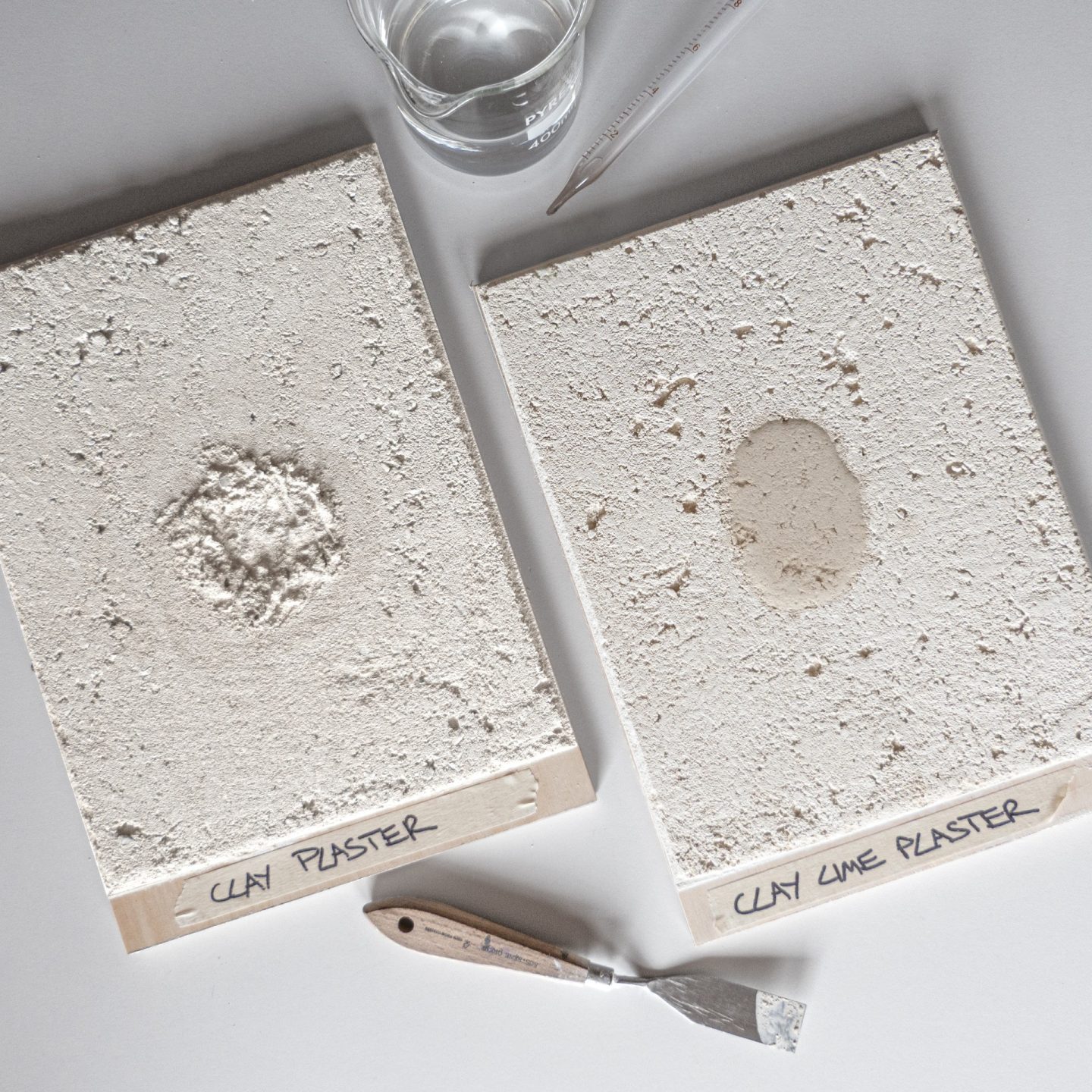
In modern spaces, the primary limitation of clay plaster is durability. As a water-soluble material, it can be relatively fragile and is therefore often applied in multiple thick layers to improve surface integrity. Historically this wasn’t an issue, as surfaces could be patch repaired using locally sourced material without concern for the resulting aesthetic. In modern interiors, however, finishes that add substantial thickness to walls and require frequent maintenance are not practical.

Formulating clay plaster with the inclusion of lime can address these issues, significantly improving durability, application consistency, and resistance to moisture. As lime cures, it absorbs carbon dioxide to form a stable, stone-like structure, retaining the breathability and natural aesthetic of clay while delivering the durability required for modern interiors. Due to the increased strength of clay–lime plaster, it can also be applied as a significantly thinner layer, requiring less material to be taken from the ground, processed and transported.

Breathability or humidity regulation?

Clay and clay-lime plasters are naturally breathable, allowing water vapor to pass through the surface. This is an essential property when working with porous substrates such as earth, stone and timber, where effective moisture regulation is essential for longevity. Applying non-breathable coatings can trap moisture within the structure, leading to damp, mold growth and deterioration.

When clay is used as a construction material, such as adobe (mud brick) or rammed earth, it absorbs and releases moisture, helping to stabilize indoor humidity. Clay-based plasters provide a breathable finish that supports this process, rather than acting as the sole regulator. Clay plaster typically contains a relatively small proportion of clay (<20%), which acts as a binder for the aggregate, usually sand. This ratio is important, as clay has a high rate of shrinkage and expansion, making it prone to cracking during drying and changes in moisture conditions unless stabilized by sufficient aggregate. The result is a breathable wall finish that supports indoor humidity regulation, but does not directly control it.

A World of Design Possibilities

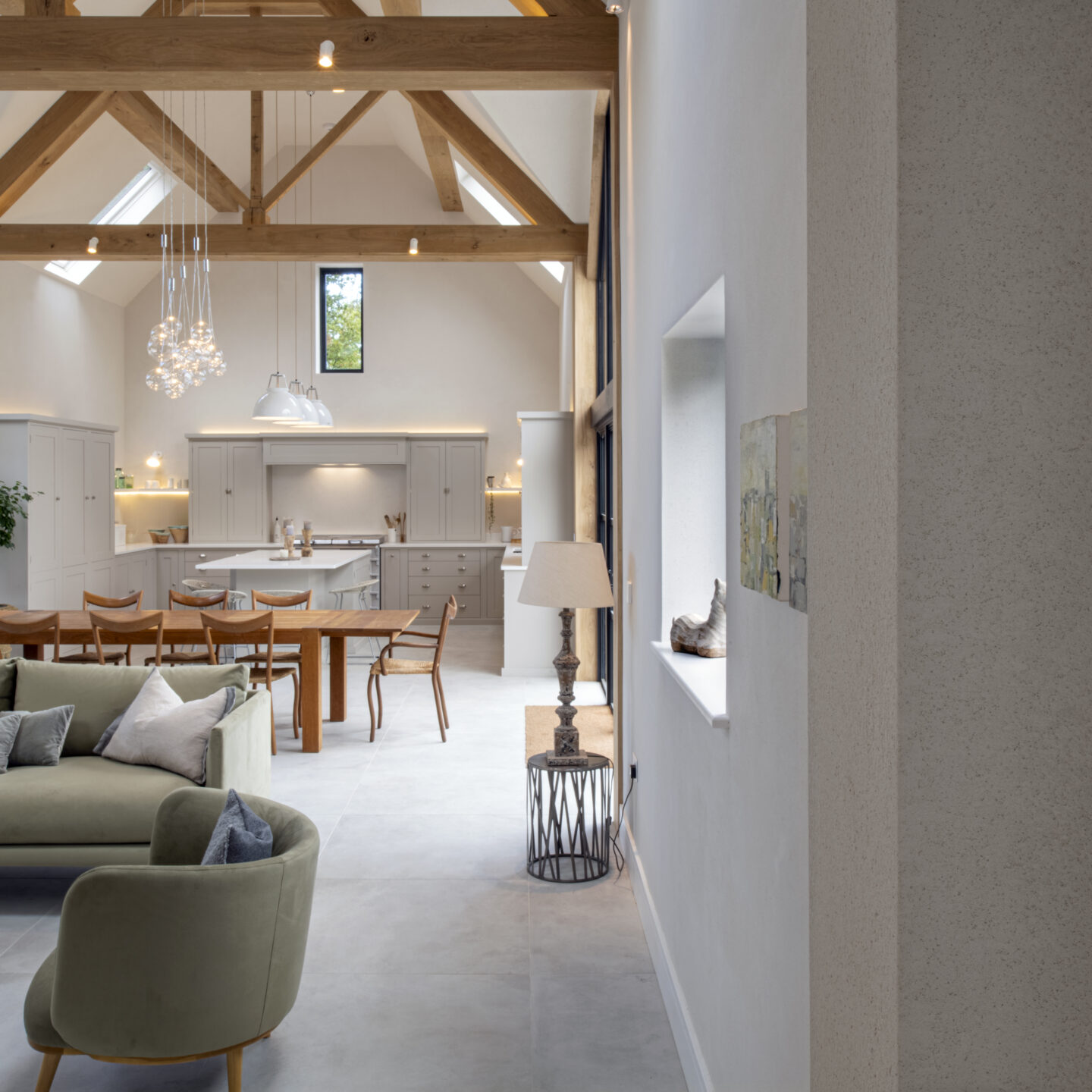
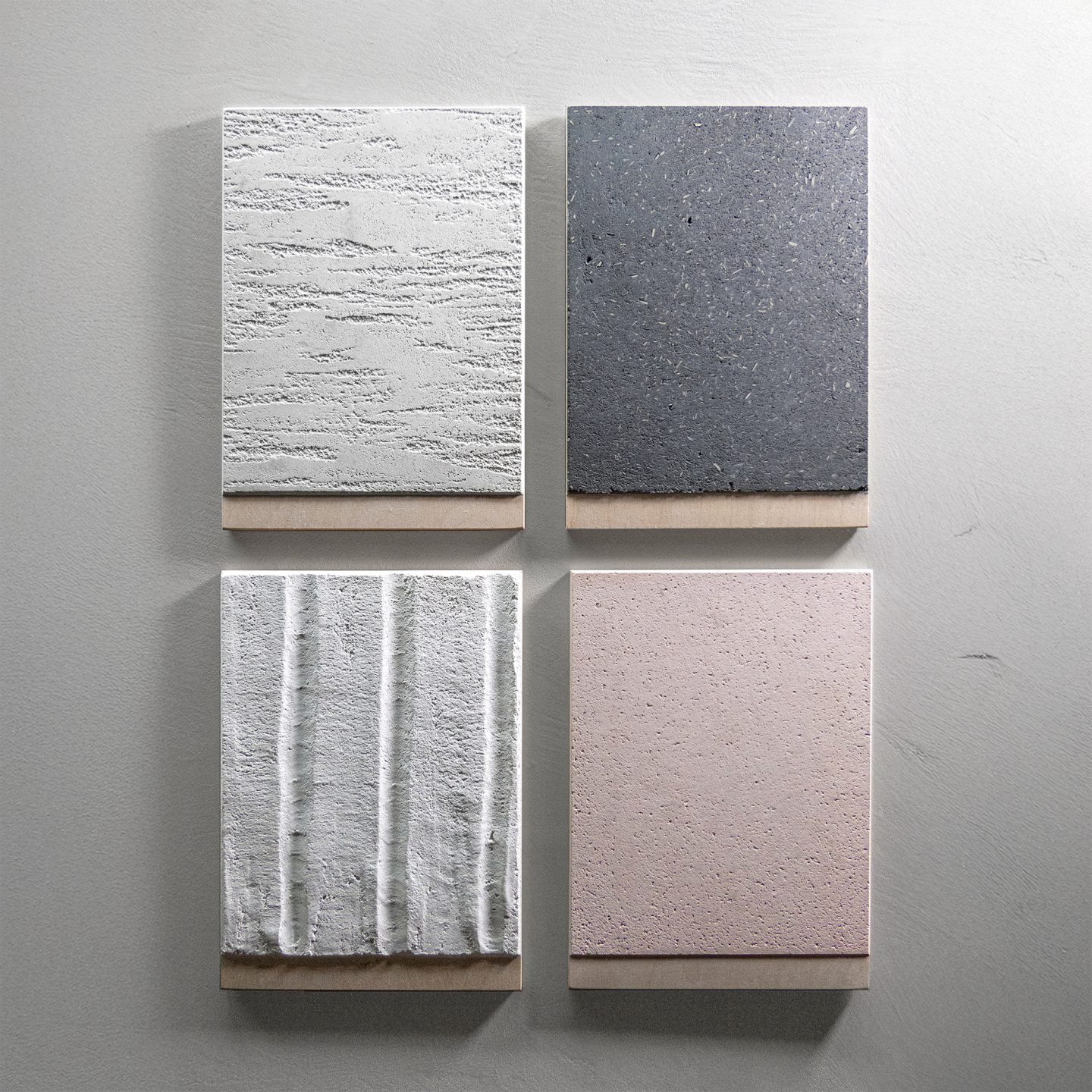
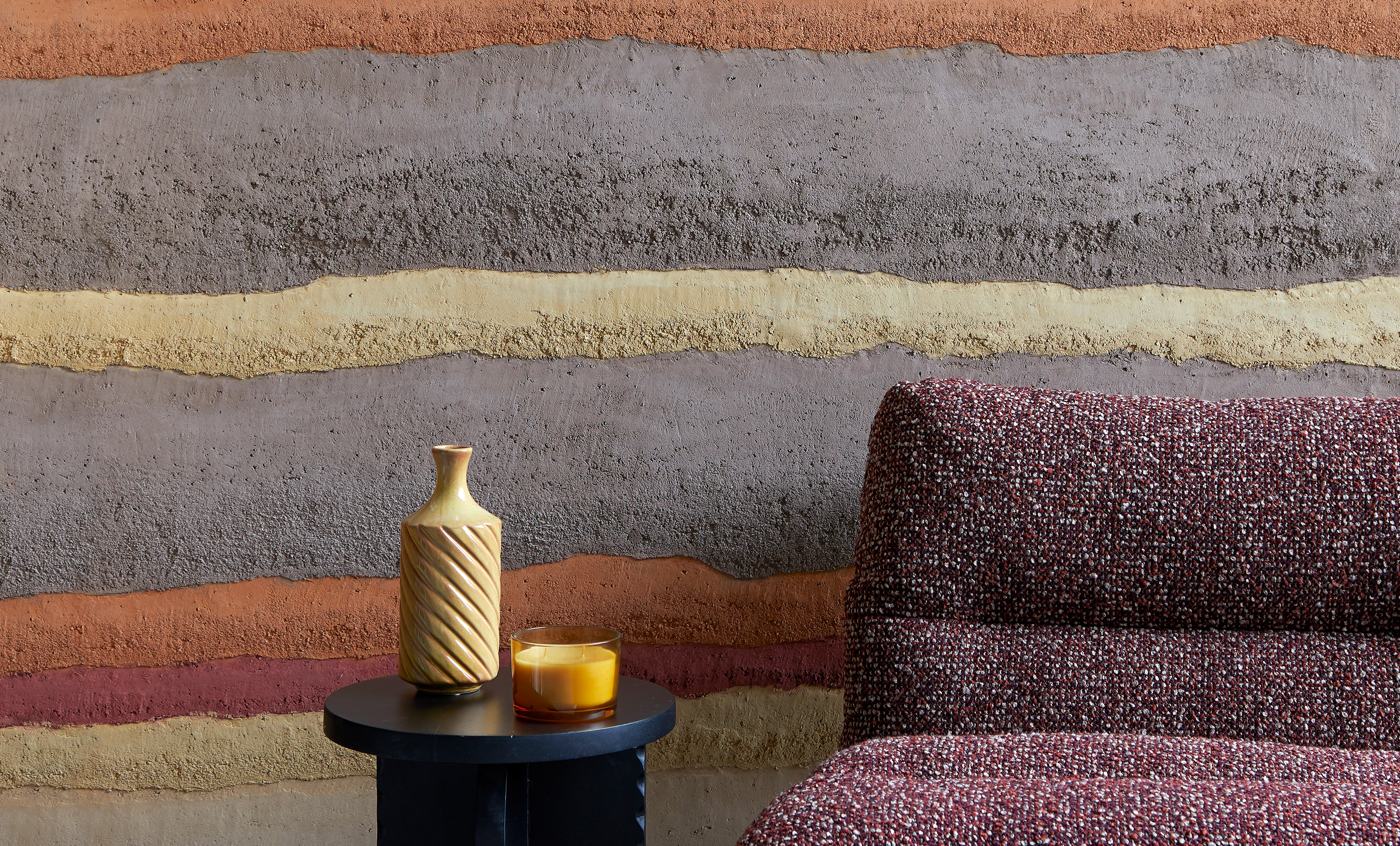
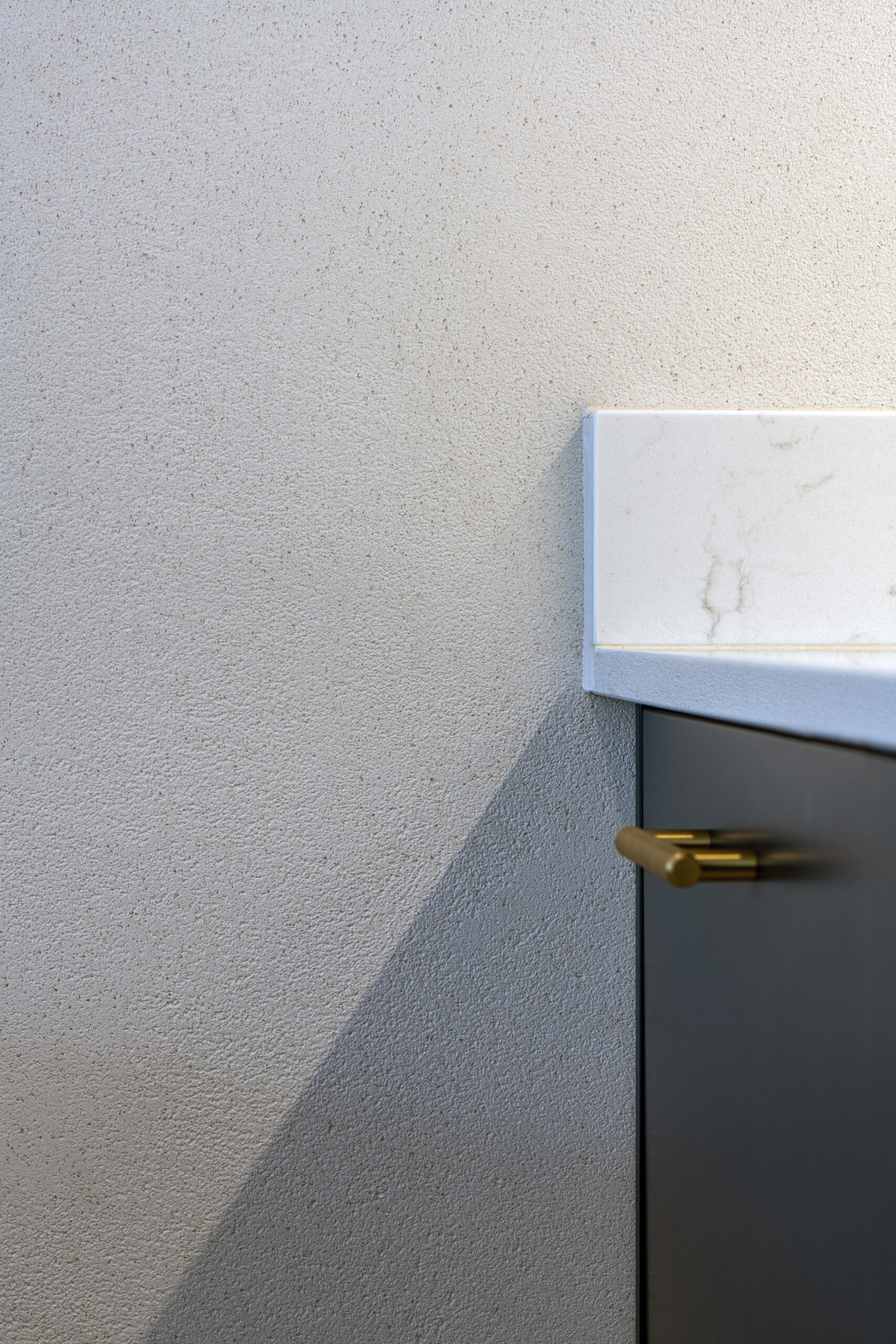
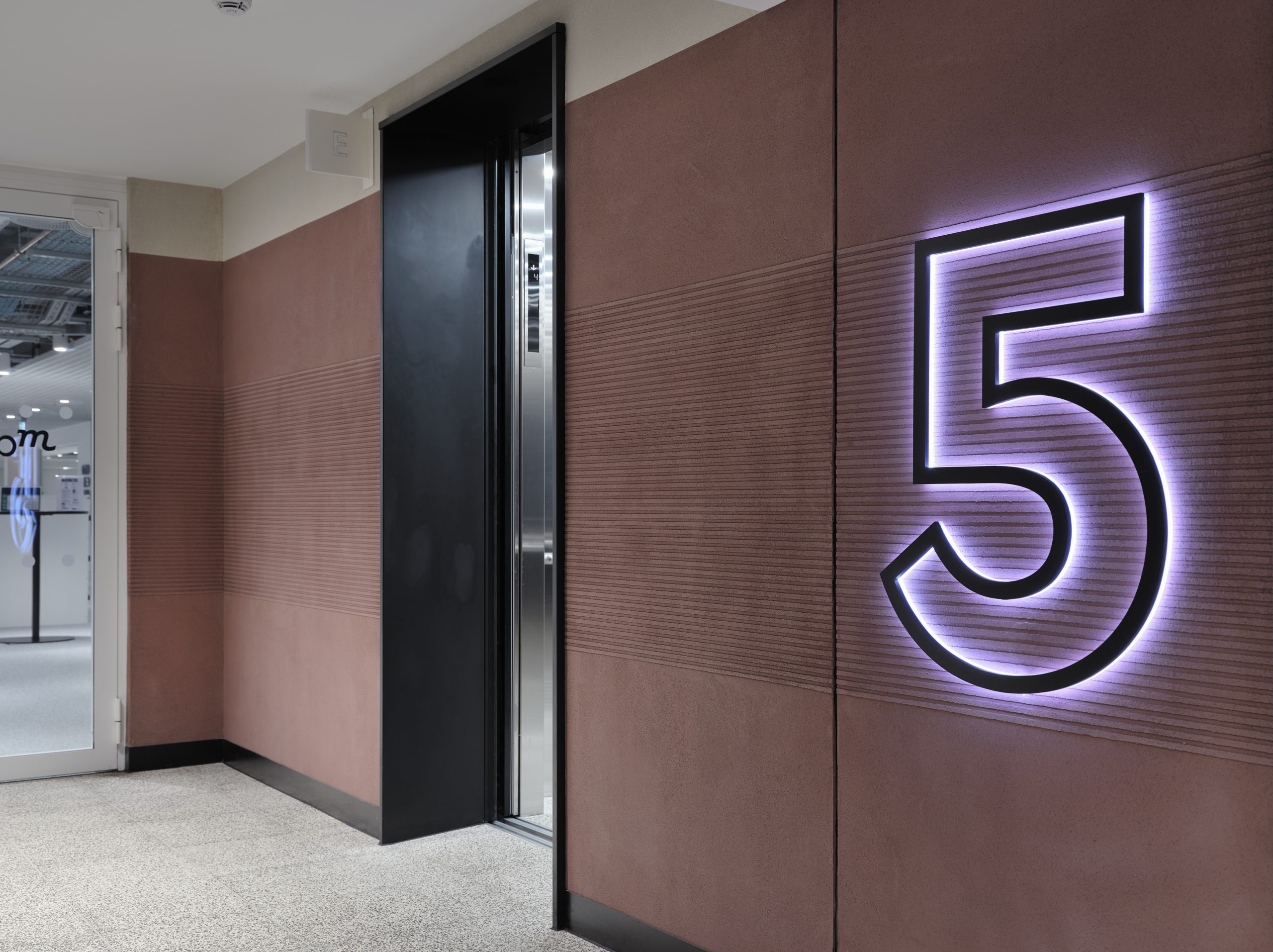
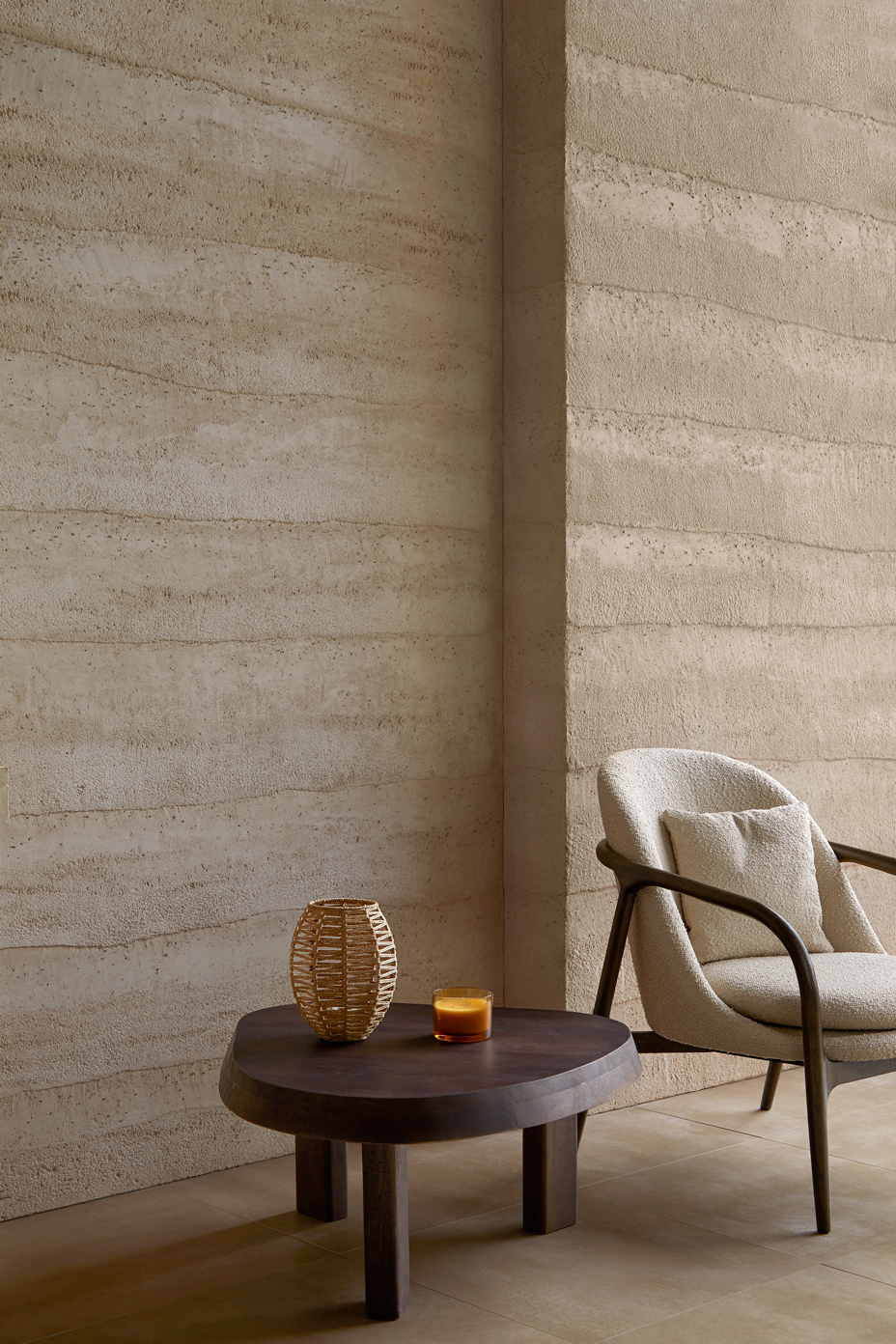
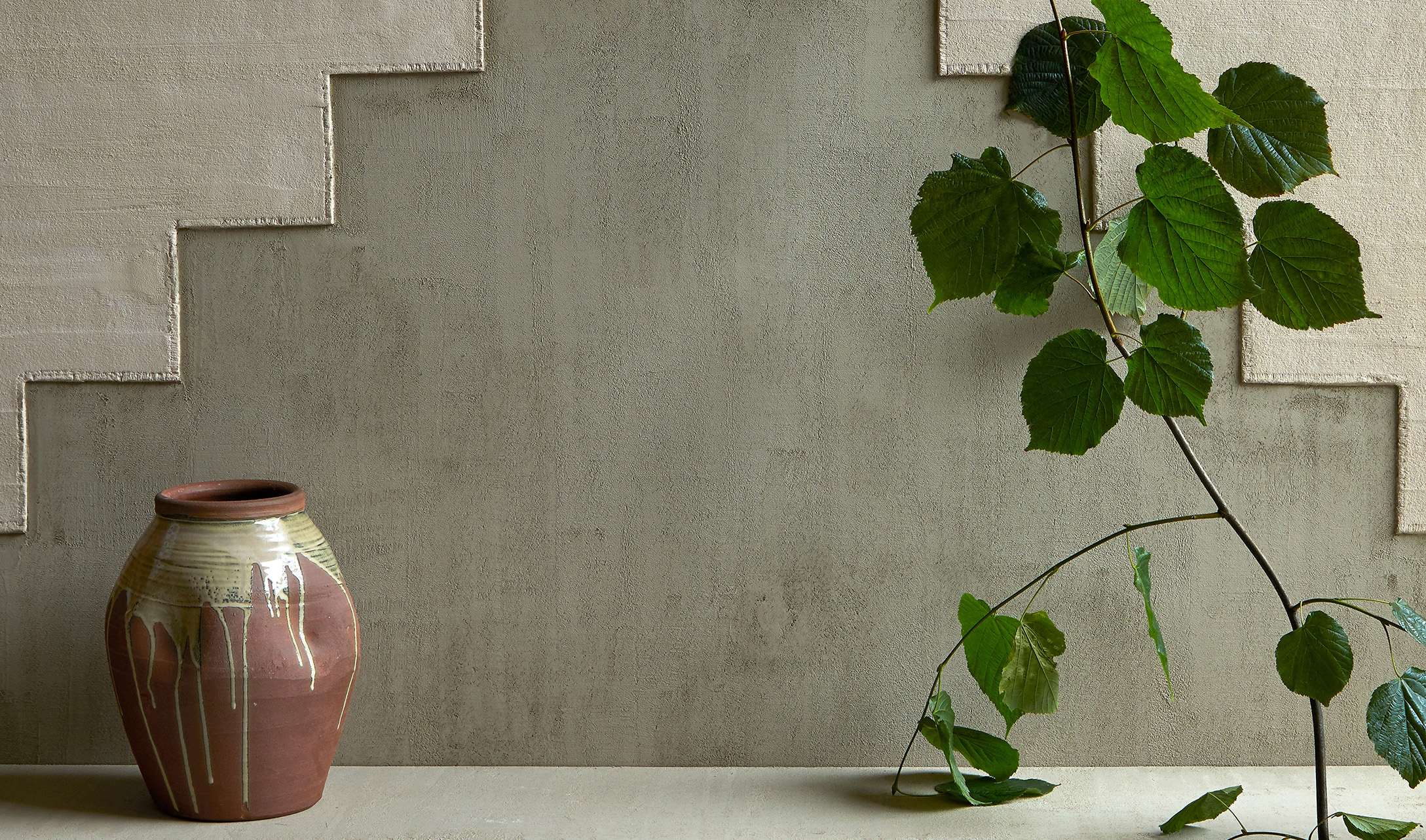
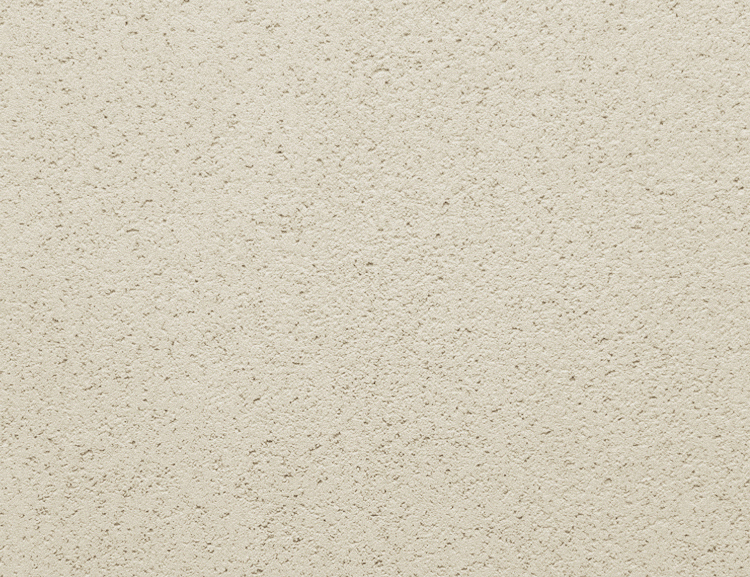
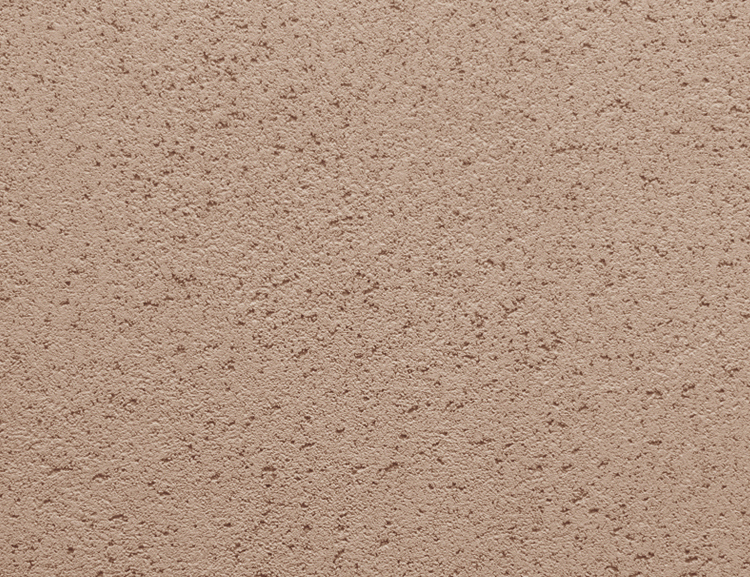
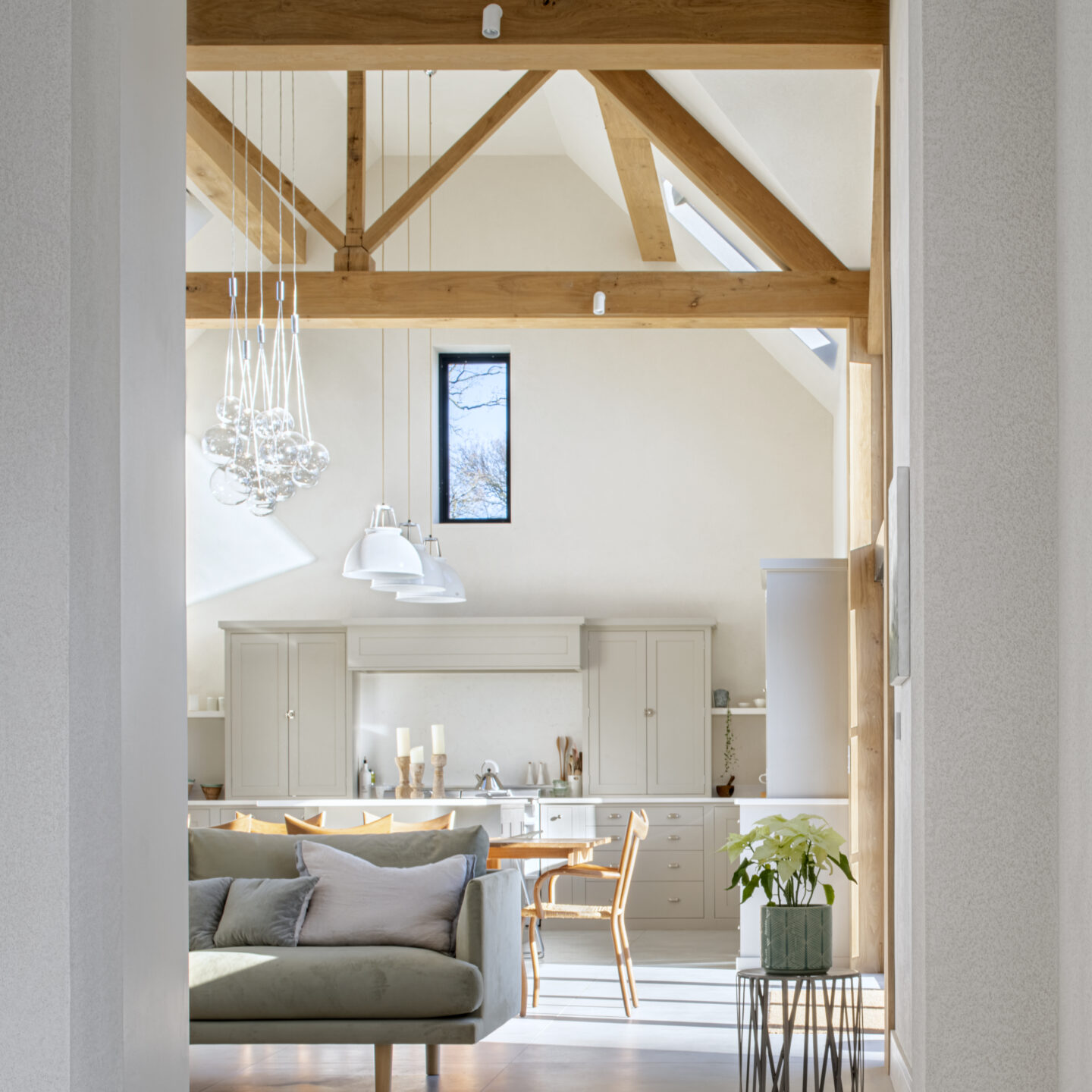
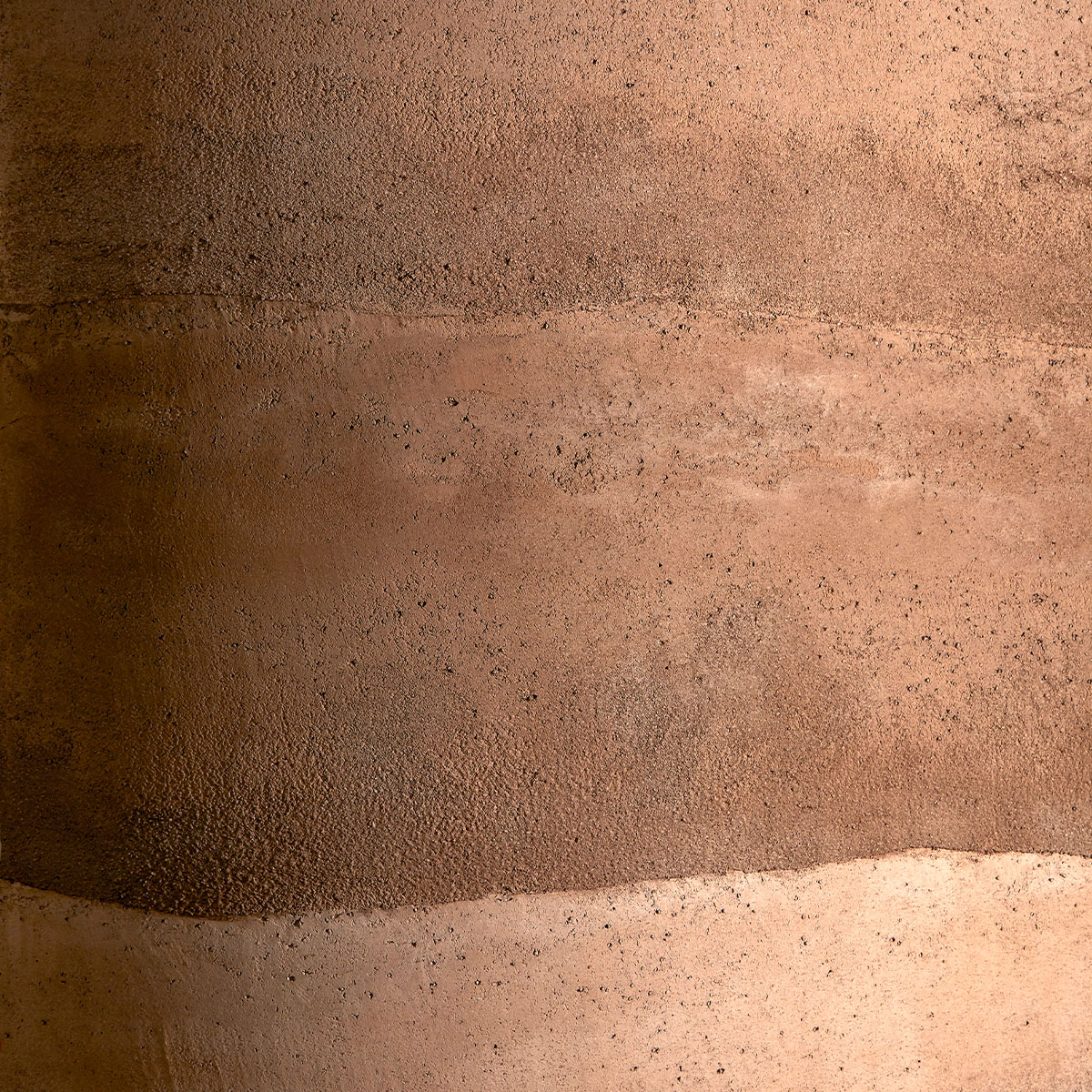
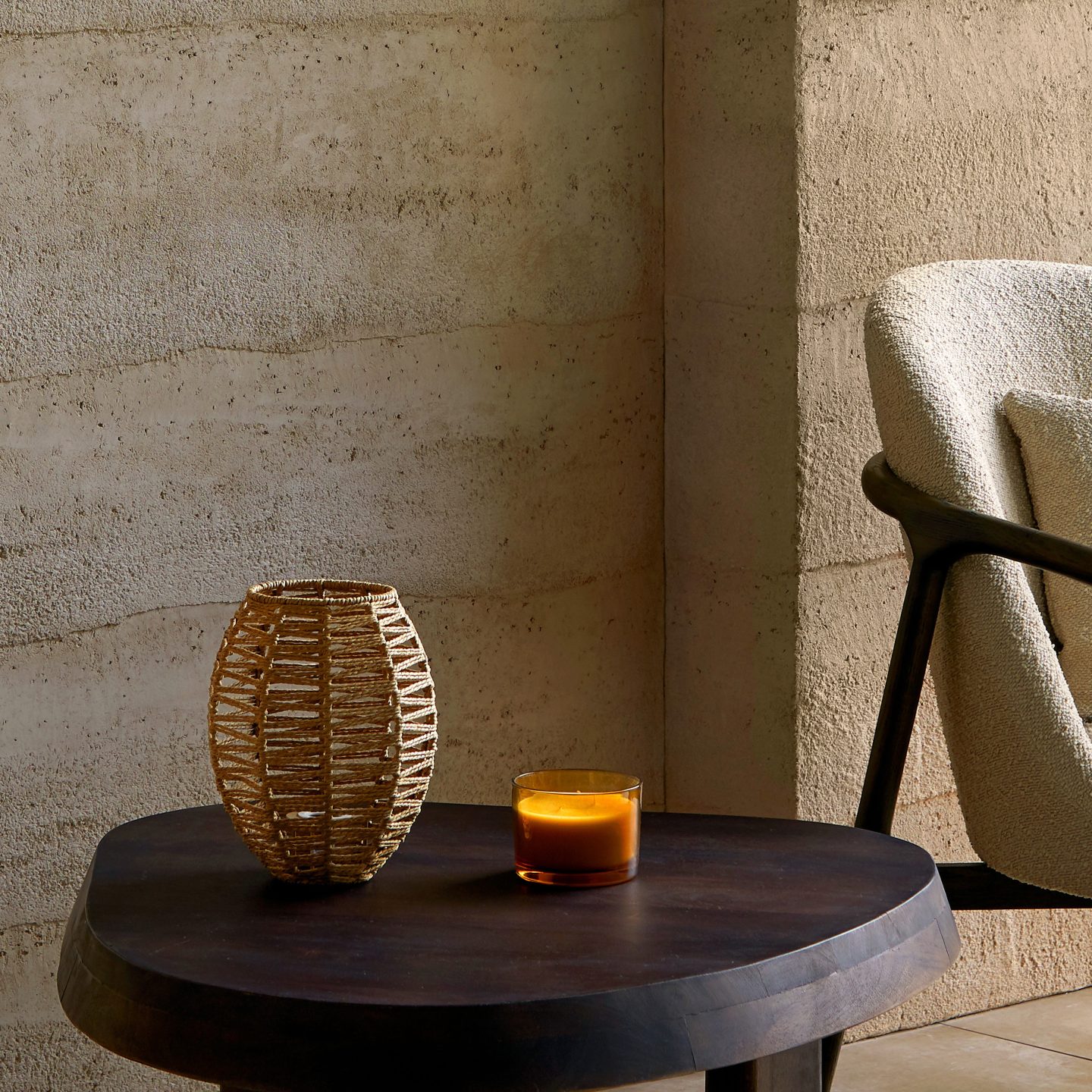
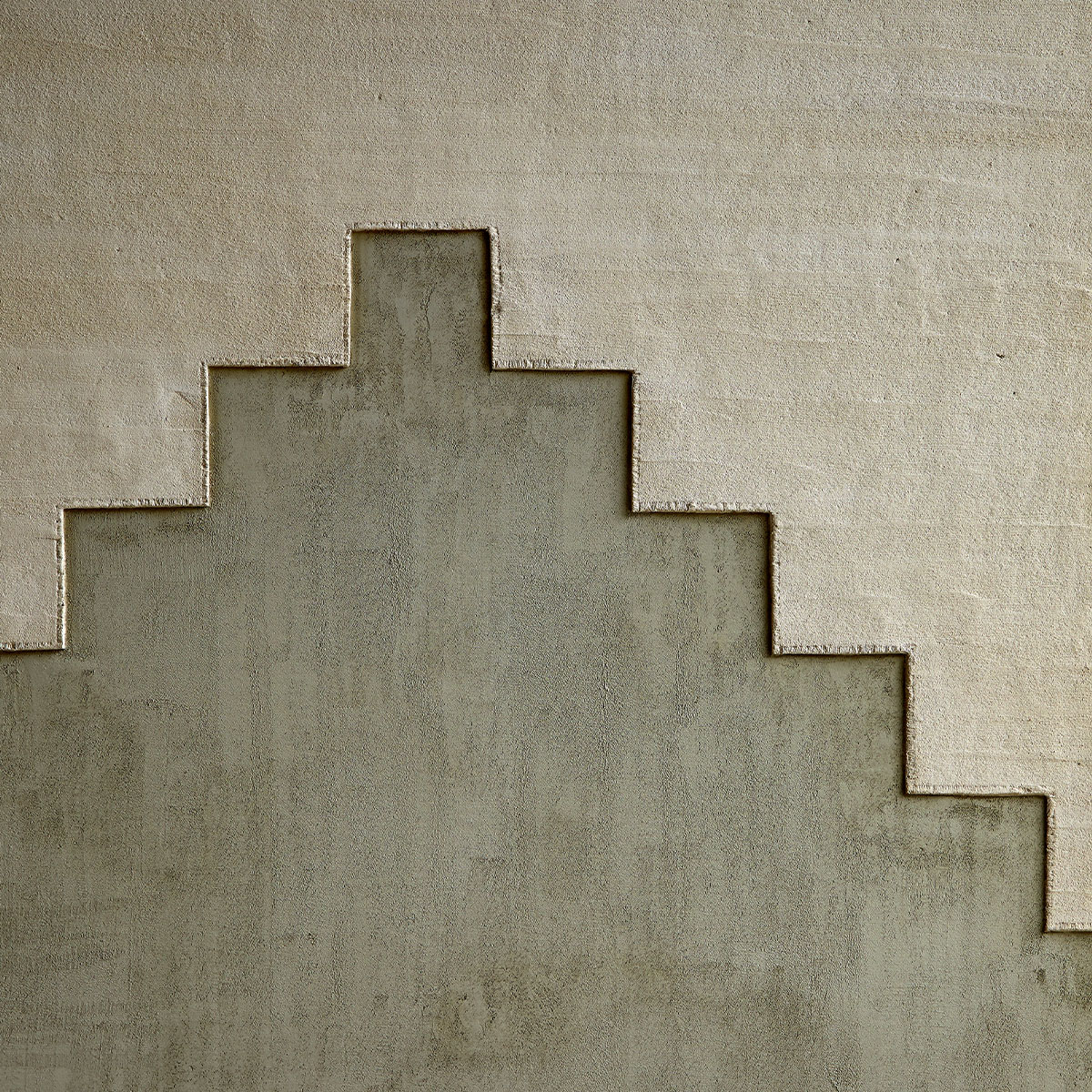
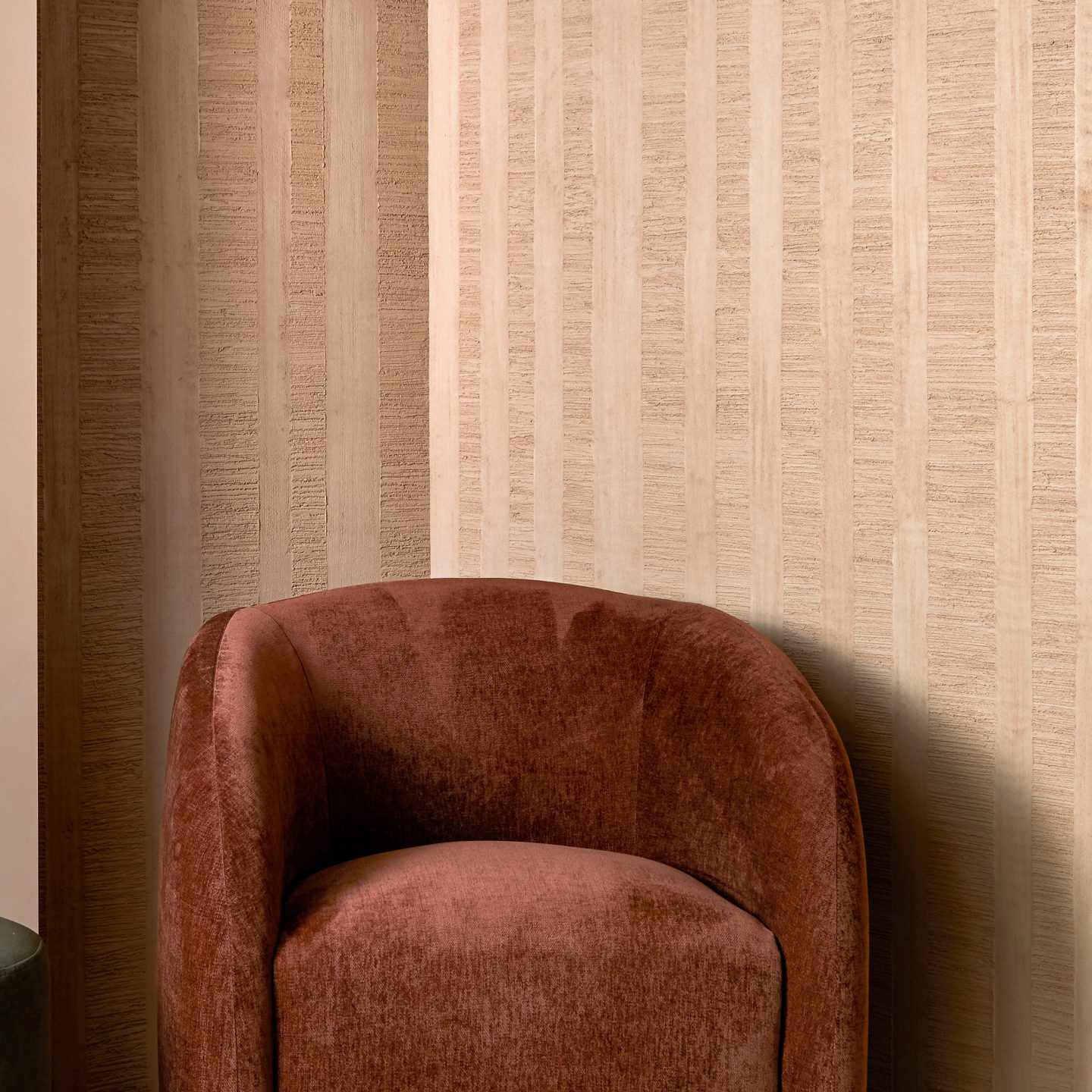
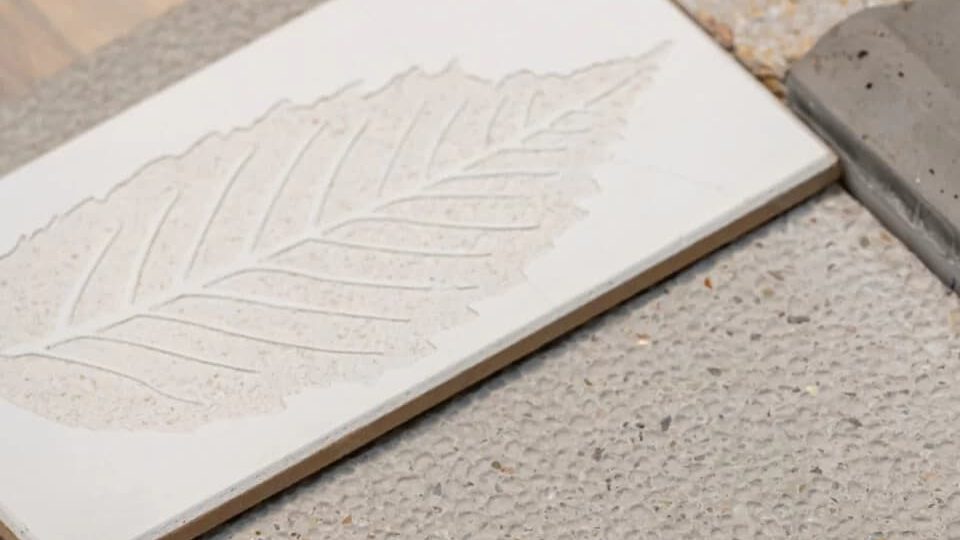
Armourcoat Clay Lime Plaster offers a viable alternative to clay plaster and synthetic wall coatings, combining low impact materials with enhanced longevity. Using over 70% recycled crushed marble alongside kaolin clay and lime, its authentic aesthetic embodies craftsmanship, timeless design and the joy of materiality. From soft, monolithic surfaces to deeply textured, expressive finishes, skilled application enables a wide range of aesthetic outcomes, including the emulation of rammed earth architecture.

Armourcoat’s Clay Lime Plaster is Indoor Air Gold accredited, A1 fire rated and has a very low Global Warming Potential (GWP). Available in four finishes and 15 standard colors, it can also be tailored to bespoke project requirements. A full life cycle analysis is available within our Environmental Product Declaration.

CLAY LIME PLASTER

OUR CLAY LIME PLASTER FINISHES

Explore our naturally sustainable Clay Lime Plaster range to discover finishes that unite inherent natural beauty with contemporary performance

We Believe Anything’s Possible

Get in touch

This website uses cookies

We use cookies to improve your experience and to provide us with insight into how people use our website.